3rd February 2026
Master Planning: The Most Important Step Churches Skip (and the Most Expensive to Ignore)

Every growing church reaches a moment where momentum creates tension. Attendance is up. Ministries are thriving. Space starts to feel tight. And suddenly the question appears: Do we need to expand?
For most pastors, this moment feels overwhelming. Church leaders aren’t trained in church architecture, construction timelines, or the complexities of a church building project. Yet growth brings pressure to make big decisions quickly.
That pressure is exactly why master planning gets skipped and why skipping it often leads to the most expensive mistakes churches make.
Growth Creates Urgency and Urgency Creates Risk
When a church is growing fast, it’s natural to focus on the most immediate problem.
Add a room. Expand the kids ministry. Adjust a space to make it work for now.
The issue isn’t growth. The issue is responding to growth without stepping back first.
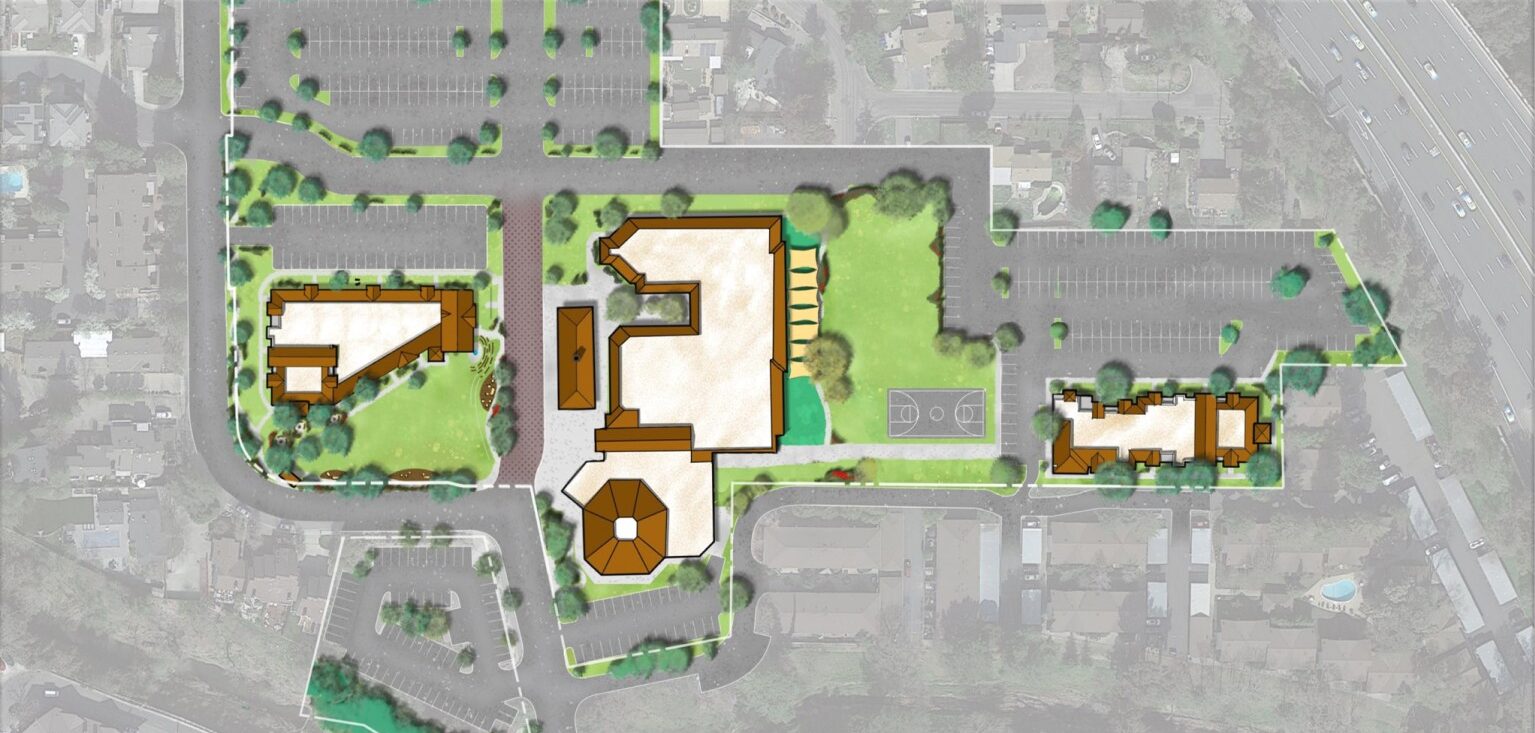
We’ve seen churches invest heavily in new buildings that solved a short-term need, only to discover later that those decisions limited future ministry. A building placed in the wrong spot can block expansion, strain parking, or complicate future church building design decisions.
Good intentions do not always lead to good outcomes, especially without a plan.
This tension between reacting and planning is not just a facilities issue. It is a leadership one.
According to Barna’s research, churches that adopt a future-focused, strategic approach and plan intentionally for the years ahead are significantly more likely to thrive than those that primarily react to challenges as they arise. When leaders feel constantly behind or overwhelmed, decisions are often made under pressure, without the clarity that long-term planning provides.
“During my time serving as the Executive Pastor of a large church in Central Florida, we saw roughly 40 percent growth in a single year after moving from a 20,000 square foot building on a side road to a 50,000 square foot building on a main road. The move was not just about adding space. It was about visibility, accessibility, and making strategic decisions that aligned our campus with where the church was headed.” – Phil Taylor | Director of Strategic Development for North America
That kind of growth does not happen by accident. It happens when facilities decisions are aligned with long-term vision rather than short-term pressure.
Master Planning Starts With Story, Not Square Footage
Before a church decides what to build, it needs clarity on who it is.
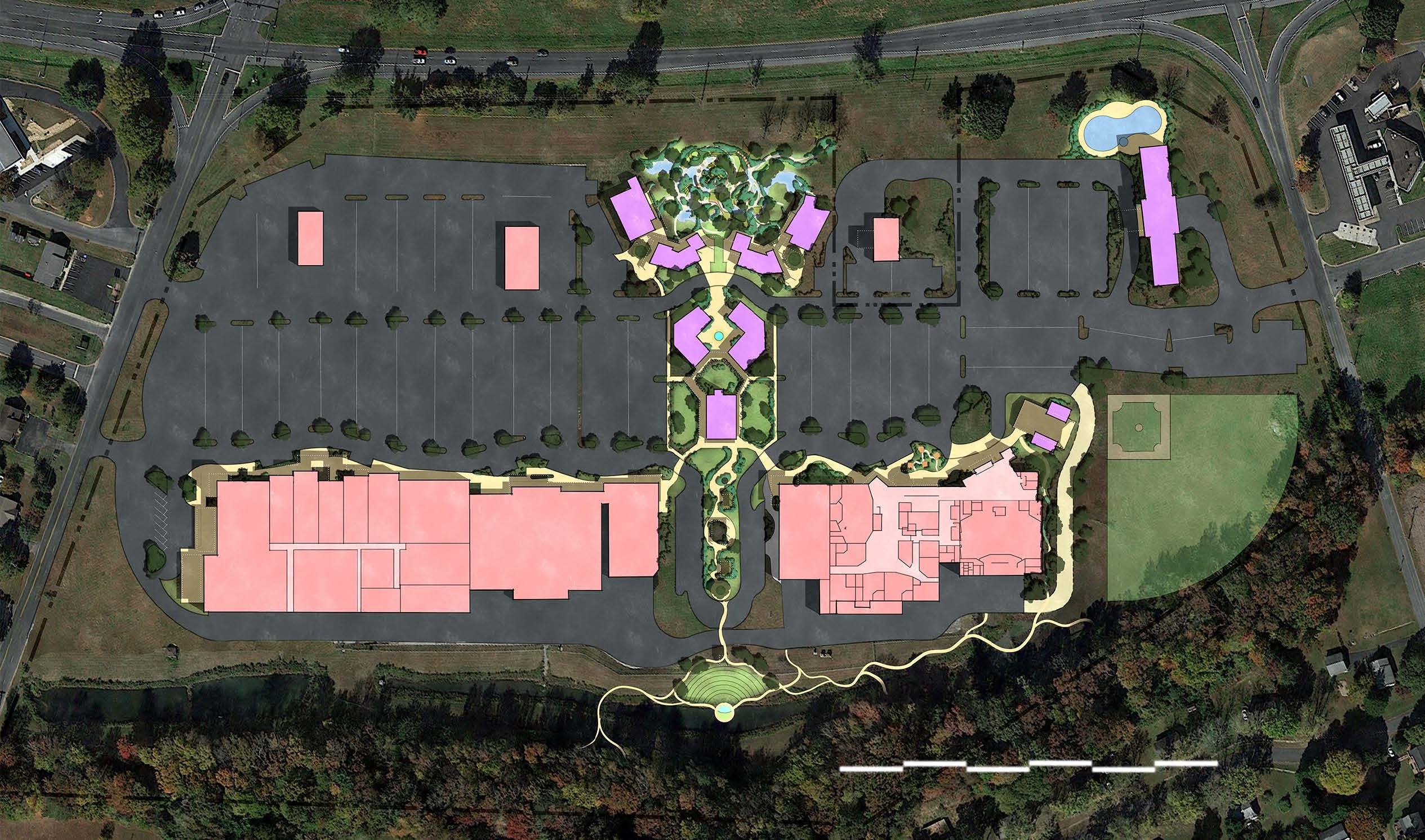
A church master plan isn’t about drawing buildings on a site map. It’s about understanding a church’s story, mission, and long-term direction:
- Who are you serving?
- What kind of experience are you creating for families, guests, and volunteers?
- How do people feel when they arrive on your campus for the first time?
When a church understands its story, every decision becomes clearer. Spaces begin to support mission instead of working against it. Architecture, signage, wayfinding, and digital experiences all align around a shared purpose.
Without that clarity, even well-designed spaces can feel disconnected.
What a Master Plan Really Does
A strong church master plan helps leaders answer the questions they’ll eventually face anyway:
- Where should future buildings live on the property?
- How does the campus grow over the next 10 to 20 years?
- What happens when worship services begin to fill up?
- How does children’s ministry expand without disrupting other ministries?
- Is there enough parking to support growth long-term?
Rather than addressing each challenge in isolation, master planning looks at the entire campus. It helps churches make wise decisions today that won’t limit ministry tomorrow.
The “Second Service” Moment Churches Often Overlook
There’s a simple signal many leaders miss: when a church moves to a second service, the clock starts ticking.
Sunday morning services fill first. Additional service times often struggle to match attendance. If a church continues growing, space becomes a real constraint faster than expected.
What many leaders don’t realize is how long a church building project actually takes. From design and permitting to construction and occupancy, new buildings often require two years or more.
Master planning early gives churches time — time to make thoughtful, strategic decisions instead of reactive ones.
The Three Things That Limit Growth
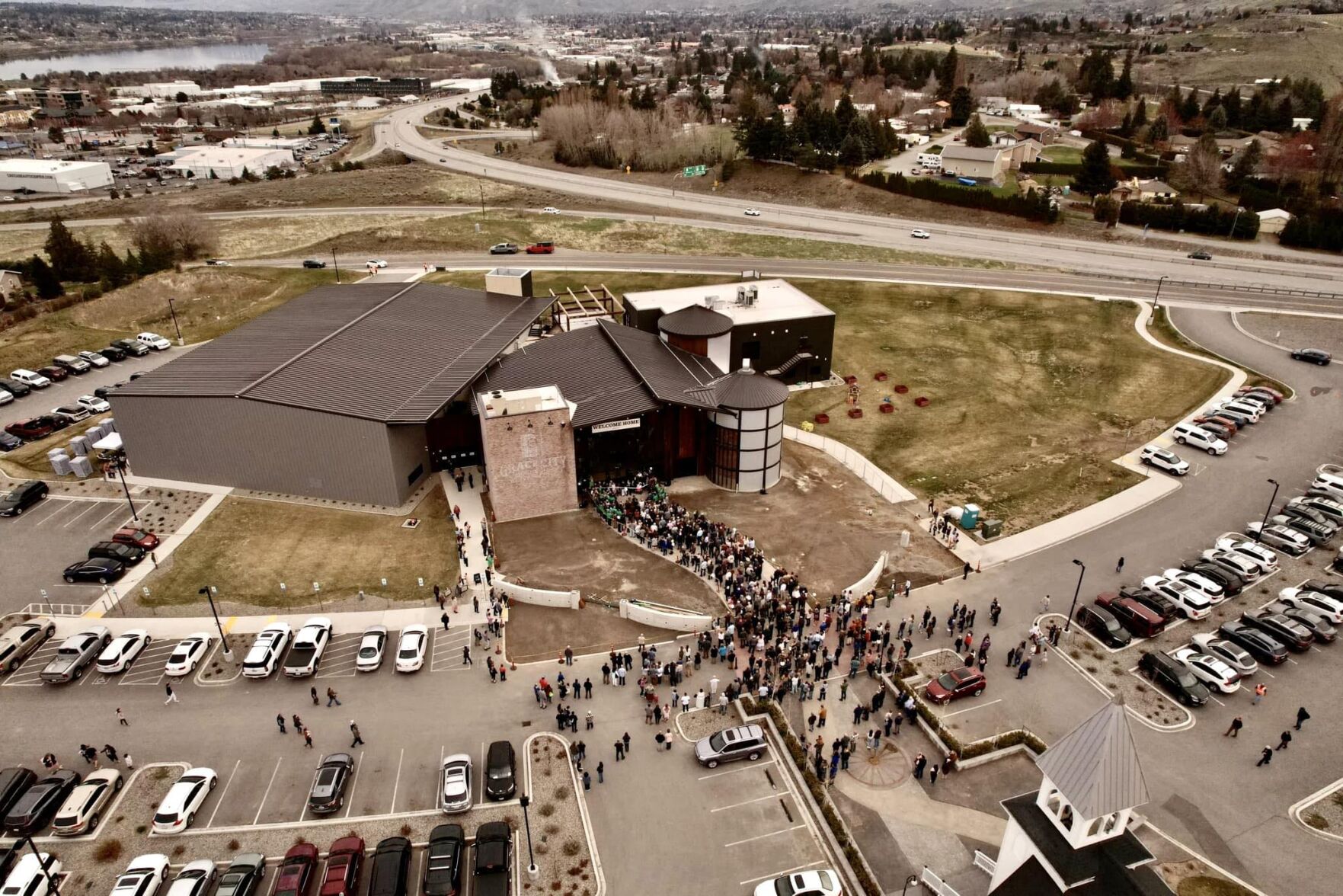
Nearly every growing church eventually runs into one (or more) of these limits:
- Sanctuary capacity
- Kids ministry and children’s ministry capacity
- Parking capacity
These challenges are connected. Expanding one without considering the others often creates new bottlenecks instead of solving the original problem.
A well-developed church master plan helps leaders see these constraints clearly and address them together.
Why This Matters Beyond Buildings
Facilities shape experience. From the parking lot to the front door, people are asking quiet questions:
- Where do I park?
- Which entrance should I use?
- Am I welcome here?
Clear church signage and intuitive church wayfinding reduce anxiety and help guests feel confident. When people feel at ease, they’re more open to connection, community, and belonging.
In that sense, planning isn’t just practical. It’s pastoral.
A Better Way to Begin
Churches don’t need all the answers to start planning well. They need clarity. They need a long-term view. They need a master plan that allows flexibility as ministry grows.
Master planning doesn’t lock churches into a rigid future. It gives them confidence to grow without panic — and a framework for thoughtful church architecture and design decisions along the way.
The most costly mistakes rarely happen in moments of crisis. They happen when growth moves faster than clarity.
And with the right starting point, they’re entirely avoidable.

Interested in learning how to approach a church building project with clarity and strategy?
The Church Building Projects Masterclass, hosted by PlainJoe’s Phil Taylor & The Unstuck Group is a free online session on March 5, 2026, designed to walk church leaders through the practical steps of planning, designing, and executing a successful building or expansion project. From architecture and guest experience to financing and long-term sustainability, the masterclass provides proven frameworks and real-world insight to help teams move forward with confidence.
You can learn more and register here.